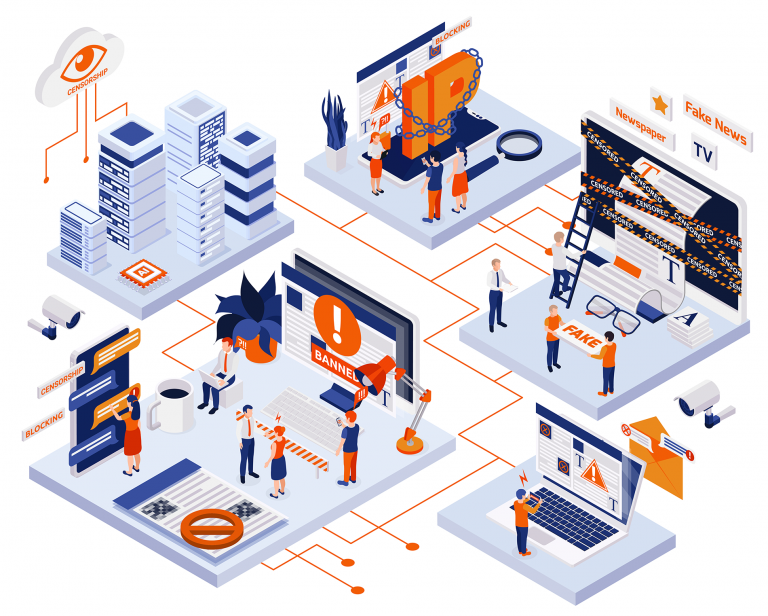

Emerging technologies are transforming how businesses operate, scale, and compete in a global digital economy. Artificial intelligence, cloud computing, blockchain, and data-driven platforms have created new efficiencies, products, and revenue models across industries. At the same time, these innovations introduce regulatory challenges that existing laws were not designed to address. Governments and regulatory bodies are now under pressure to modernize frameworks that protect consumers, ensure fair competition, and manage risk without slowing innovation. For businesses, understanding how technology influences regulation is no longer optional. It is a critical part of sustainable growth, compliance, and long-term strategy.
Technology Innovation and Regulatory Lag
One of the biggest challenges facing regulators is the speed at which technology evolves. Traditional regulations are often reactive, created after problems become widespread. Emerging technologies, however, scale rapidly and cross borders with ease. Cloud platforms can store data globally within seconds, while artificial intelligence systems can impact millions of users instantly. This creates a gap between innovation and enforcement.
As innovation accelerates, regulatory compliance extends beyond data protection and operational risk to include intellectual property and patent considerations. Emerging technologies often involve proprietary algorithms, software systems, and technical processes that require proper legal protection to prevent misuse or infringement. For businesses developing or deploying advanced technologies, working with experienced legal professionals such as Goldstein Patent Law can help ensure that innovations are not only compliant with evolving regulations but also properly protected through strategic patent planning.
Artificial Intelligence and Compliance Requirements
Artificial intelligence is one of the most influential forces shaping modern regulation. AI systems are now used in hiring, finance, healthcare, customer service, and security. While these tools increase efficiency, they also raise concerns around bias, transparency, and accountability.
Regulators are responding by introducing rules that require explainable algorithms, data accountability, and responsible AI usage. Businesses must ensure their AI systems comply with data protection laws and do not unintentionally discriminate against users. This means documenting how models are trained, validating data sources, and implementing human oversight. As AI adoption grows, compliance is becoming a core operational requirement rather than an afterthought.
Data Privacy Laws in a Digital Economy
Data is the foundation of most modern technologies, but it is also one of the most regulated resources. Privacy laws are expanding worldwide as consumers demand greater control over how their information is collected, stored, and shared. Regulations such as the GDPR and similar frameworks in other regions require businesses to implement strict data protection measures.
Emerging technologies such as Internet of Things devices and real-time analytics platforms collect massive volumes of personal and behavioral data. Businesses must ensure transparency, secure storage, and lawful processing of this information. Failure to comply can result in fines, reputational damage, and operational restrictions. As data ecosystems become more complex, regulatory compliance must be integrated into system design from the beginning.
Blockchain, Cryptocurrency, and Financial Oversight
Blockchain technology has introduced decentralized systems that challenge traditional financial regulation. Cryptocurrencies, smart contracts, and decentralized finance platforms operate without centralized control, making enforcement difficult for regulators accustomed to working with banks and financial institutions.
In response, governments are developing new rules around digital asset classification, taxation, and anti-money laundering requirements. Businesses involved in blockchain development or crypto services must monitor regulatory updates closely. Compliance now includes identity verification, transaction monitoring, and transparent reporting. As blockchain technology matures, regulatory clarity is expected to improve, but businesses must remain adaptable during this transition.
Cloud Computing and Cross-Border Regulations
Cloud computing enables businesses to scale quickly by storing data and running applications across international servers. While this flexibility supports growth, it also raises questions about jurisdiction, data sovereignty, and legal responsibility.
Different countries have different rules regarding where data can be stored and how it can be accessed by authorities. Businesses using global cloud infrastructure must understand which regulations apply based on server location and customer base. Compliance strategies often involve selecting compliant cloud providers, encrypting sensitive data, and maintaining clear documentation. Regulatory compliance in cloud environments requires collaboration between legal, technical, and security teams.
Automation, Workforce Technology, and Labor Laws
Automation and advanced workforce technologies are reshaping employment structures. Tools such as robotic process automation, AI-driven scheduling, and remote work platforms have changed how work is performed and managed. These changes affect labor laws, workplace safety, and employee classification.
Regulators are examining how automation impacts job displacement, worker rights, and fair compensation. Businesses must ensure compliance with employment regulations while adopting productivity-enhancing technologies. This includes updating contracts, ensuring fair monitoring practices, and maintaining transparency in automated decision-making. Technology-driven workforce management requires balancing efficiency with legal and ethical responsibilities.
Cybersecurity Regulations and Risk Management
As digital systems become more interconnected, cybersecurity threats continue to increase. Data breaches, ransomware attacks, and system failures can have serious financial and legal consequences. Regulators now require businesses to implement minimum security standards and report incidents within specific timeframes.
Emerging technologies often expand the attack surface, especially when integrating third-party tools and APIs. Businesses must adopt proactive security measures such as regular audits, employee training, and incident response planning. Regulatory compliance in cybersecurity is closely tied to risk management and business continuity planning.
Preparing Businesses for a Regulated Tech Future
The relationship between technology and regulation will continue to evolve as innovation accelerates. Businesses that treat compliance as a strategic priority rather than a burden are better positioned to adapt. This involves staying informed about regulatory trends, investing in compliance infrastructure, and seeking expert guidance when necessary.
Emerging technologies create opportunities, but they also introduce responsibility. Companies that proactively align innovation with regulatory expectations can build trust, reduce risk, and gain a competitive advantage. As governments refine laws to address digital transformation, businesses that plan ahead will navigate change more effectively and sustain growth in an increasingly regulated tech landscape.