
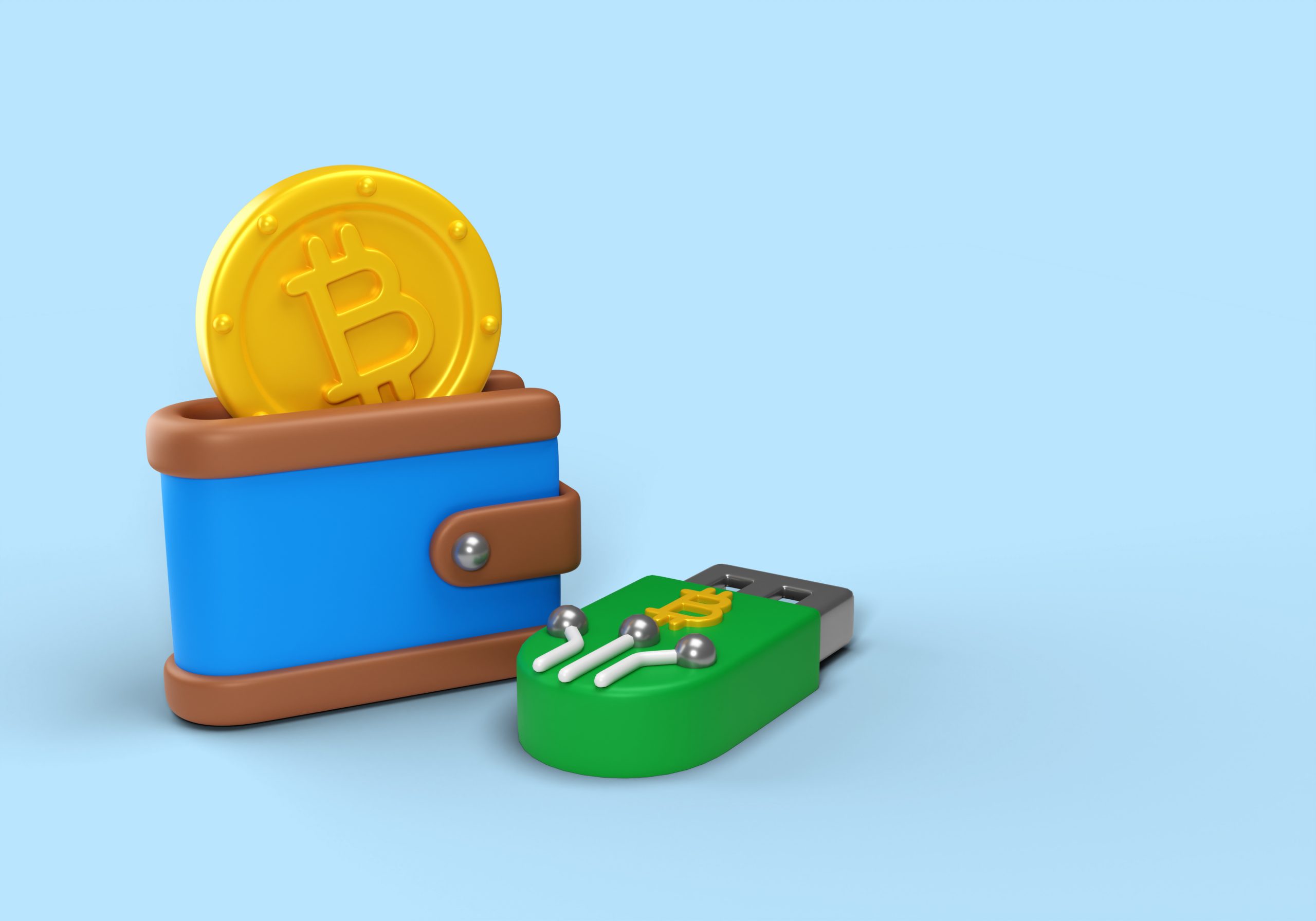
Bitcoin investments have become one of the safest within the cryptocurrency world. The project’s resilience over the years proves that Bitcoin can withstand various economic hardships and return to its previous values. Sometimes, these challenges will push the prices even higher due to increased demand from investors or the market’s growth in technological developments.
However, Bitcoin users may be exposed to additional risks, particularly when using wallets to manage their assets. This can also happen with fake exchanges that target unknowledgeable users who lack the skills to distinguish reliable exchanges from those that will scam them.
Choosing a trustworthy digital wallet for investing in Bitcoin is also challenging. Considering the numerous types and varying levels of security, as well as the fluctuating Bitcoin price USD, users must make decisions based on personalized factors. Here’s how to do it.
How does a digital wallet work?
The technology behind a digital wallet is quite complex, yet it demonstrates high levels of security. Every wallet has the components of a private key, which proves ownership over the assets, and the public key, through which users receive Bitcoins. The first is of considerable importance and must be kept confidential, while the latter is public and accessible to anyone on the blockchain.
The private key is composed of 256 digits and is stored in the wallet. When creating a digital wallet, the system automatically generates a seed (recovery phrase) that helps users retrieve access to funds if they lose the private key. The seed is a succession of 12 to 24 words.
While most wallets have similar functions, there are several factors to consider when selecting one. For example, never use a wallet that does not offer a recovery data option. If users are long-term investors, they should set up recovery instructions for their heirs, if possible.
What are the types of wallets used for crypto?
Most popular digital wallets accept and provide features for nearly all types of cryptocurrencies, in addition to Bitcoin. Mobile wallets are appreciated for their convenience, as they come with a QR code that facilitates quick face-to-face transactions or near-field communication (NFC) features.
However, mobile wallets come with risks in the event of losing the mobile device. While users are advised to implement multi-factor authentication for extra caution, it’s best to leverage the mobile app only for small transactions.
Web wallets, on the other hand, are based on decentralized exchanges that allow users to store cryptocurrencies and make transactions. The private key is stored on the provider’s server, which can expose the wallet to attacks. Both the mobile and web wallets are known as hot wallets, as they require an internet connection to operate, making them vulnerable to risks.
On the other hand, cold storage wallets don’t require internet connections for the user to operate their assets, which makes them safer. These are usually hardware wallets that resemble a USB device and store the private keys. Still, setting them up might require a higher level of experience in the crypto sector. Paper wallets are also part of cold storage options, and include paper on which users print the QR code of their keys.
What should users look for in a wallet?
Depending on their level of experience, users can choose from various types of wallets. Yet, there are many other features to look out for, such as the company’s reputation behind the wallet. Prominent exchanges typically provide their clients with secure wallets, allowing them to swap tokens across chains or expand their portfolios.
For example, data from the crypto exchange Binance.com shows that decentralized wallets come with built-in risk controls that alert the user if blockchains or cryptocurrencies pose security risks. In time, this should strengthen people’s trust in digital assets. Noah Perlman, CCO, states that “There are still large pockets of people who think oh crypto, it’s just used for criminals. It’s actually a really poor method of hiding what you’re trying to do since everything is on a public ledger.” Therefore, cryptocurrencies have the potential to make global transactions safe.
Another important factor is the backup options the wallet provides. Brands should focus on helping users regain access to assets in the case of any occurrence, as long as it is possible. For instance, the private key might come with an automatic cloud backup or even a manual one.
What are the security risks of a digital wallet?
All digital devices are exposed to cybersecurity risks, but it all comes down to the level of protection measures and continuous technological development of the wallet. Usually, these are some of the most common risks associated with digital wallets:
- Theft from individuals who steal the wallet if they know where investors keep their wallets;
- Hacking can happen to digital wallets through phishing and brute force attacks;
- Malware is also possible, as hackers can infect wallets with malware;
Of course, users must be cautious of scammers and other individuals attempting to steal sensitive information about their private keys. Some of the most successful scams are romance scams, where fraudsters gain a person’s trust and then coerce them into handing over their sensitive data.
How can users strengthen the security of their wallets?
Besides using digital wallets from prominent brands, investors and traders must prioritize security. Some tips include:
- Storing the seed phrase securely, such as on a device called a metal plate;
- Use a multisig system that protects the private key;
- Adding a 25th word on the seed phrase to encrypt the root;
- Establish a decoy passphrase that protects the password databases;
- Using more than one wallet to diversify the portfolio allocation;
- Strengthening the security of the computer used for the portfolio;
Final thoughts
Storing and using Bitcoin, as well as other cryptocurrencies, presents the challenge of keeping assets safe in the online world. However, this can be particularly challenging when hackers target unprepared users or when scammers have refined their manipulation techniques. Hence, using a safeguarded digital wallet with recovery options, supported by a reliable company, and with continuous technological developments, should provide a certain level of safety. At the same time, investors must exercise caution and ensure they avoid falling into traps.