
Hearing is something many of us take for granted. At least, that’s the case until it begins to fade. It might start small with issues like asking people to repeat themselves or turning the TV up a little louder than before. Over time, though, it can affect conversations, relationships, and even your confidence. The good news is that today’s technology offers simple and effective ways to help you reconnect with the sounds around you.
Understanding the Signs of Hearing Loss
Millions of Americans are living with at least some level of hearing loss, so if you struggle to hear, you’re not alone. Understanding the signs is the key to catching the issue early. From there, you can address it before it has a major impact on your life.
Common signs of hearing loss include difficulty following conversations, especially in noisy places; trouble hearing high-pitched sounds; and feeling like people are mumbling when they talk to you. They may also include needing to turn the volume up on the television or radio more than you once did. You may find that you constantly have to ask people to repeat themselves or struggle to hear certain types of sounds as well.
Exploring Today’s Hearing Aid Technology
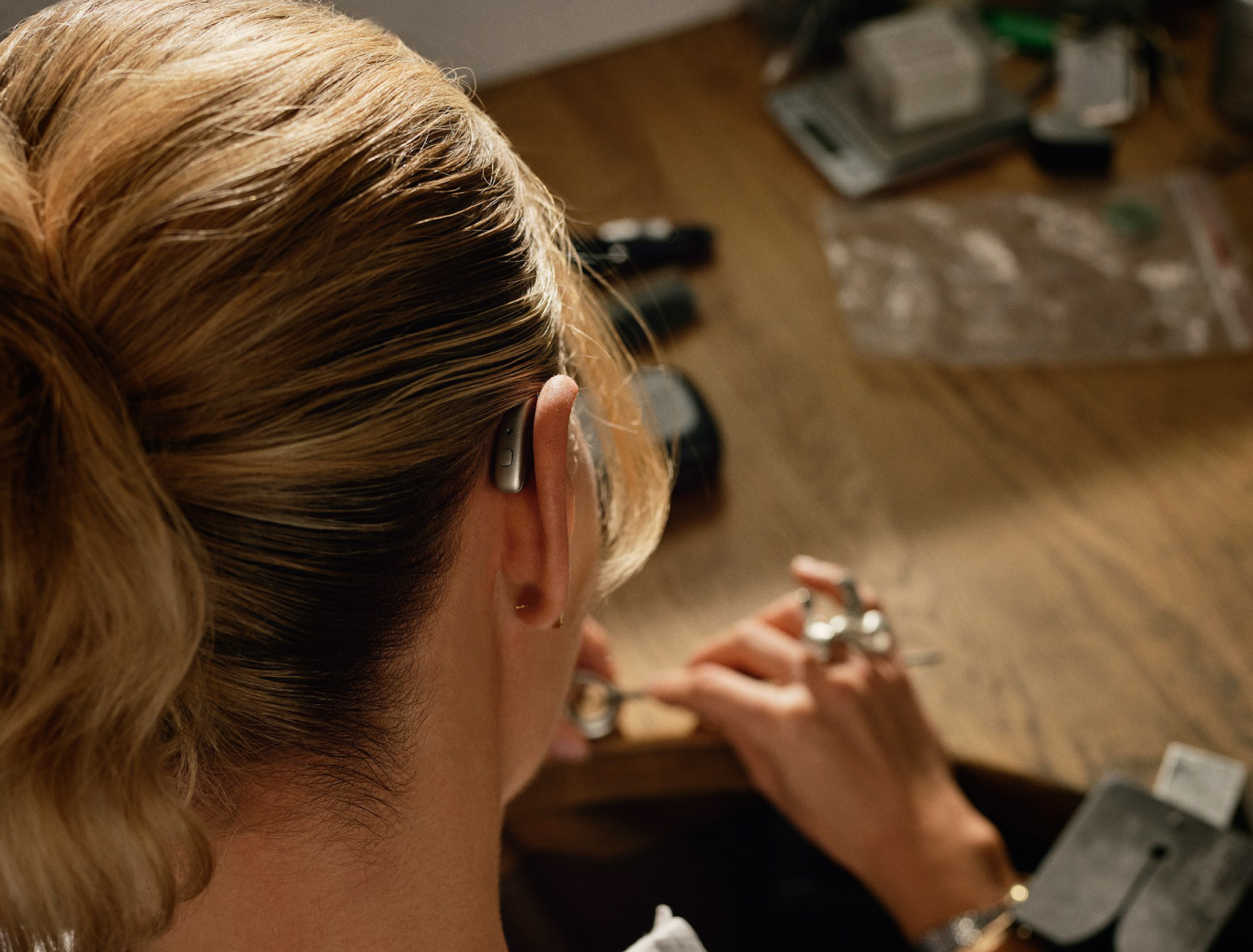
Today’s hearing aids are nothing like the bulky devices people used years ago. Modern options are small, discreet, and incredibly advanced. Many fit comfortably behind or inside the ear and are barely noticeable.
These devices do more than just make sounds louder. They can filter out background noise, focus on speech, and adjust automatically to different environments. Whether you’re in a quiet room or a busy restaurant, they help you hear more clearly without constant adjustments. Some hearing aids even connect to your smartphone, allowing you to control settings, take calls, or stream music directly through the device itself.
Smart Hearing Aid Features
One of the most exciting aspects of hearing technology is how smart it has become. Many devices now use artificial intelligence to learn your listening preferences. Over time, they adjust to your daily habits and make hearing feel more natural.
Some of today’s hearing aids feature directional microphones that focus on the person who’s speaking to you. They can also offer noise reduction capabilities to cut down on background sounds. Some have Bluetooth connectivity, so they can connect to phones and other devices. They can even be equipped with rechargeable batteries so you don’t have to change out tiny batteries or keep a constant supply of them on hand. These features all work together to give users smoother, simpler hearing experiences.
Helpful Tools Beyond Hearing Aids
Hearing aids aren’t the only solution available at this point. There are many other tools designed to support better hearing. For example, amplified phones make conversations clearer while TV listening systems allow you to hear shows without turning up the volume for everyone else. There are also alerting devices that use lights or vibrations for things like doorbells, alarms, or phone calls. These tools can be especially helpful at home. They add another layer of comfort and independence for people who are living with hearing loss.
Getting Help for Hearing Loss
If hearing has become a challenge for you, the first step is simple: get your hearing checked. A professional can help you understand what’s going on and recommend the best options for your needs. It’s normal to feel unsure or even a little nervous about trying new technology. Still, many people find that once they take that step, they wish they’d done it sooner. Better hearing can improve communication, strengthen relationships, and help you feel more connected to the world around you.