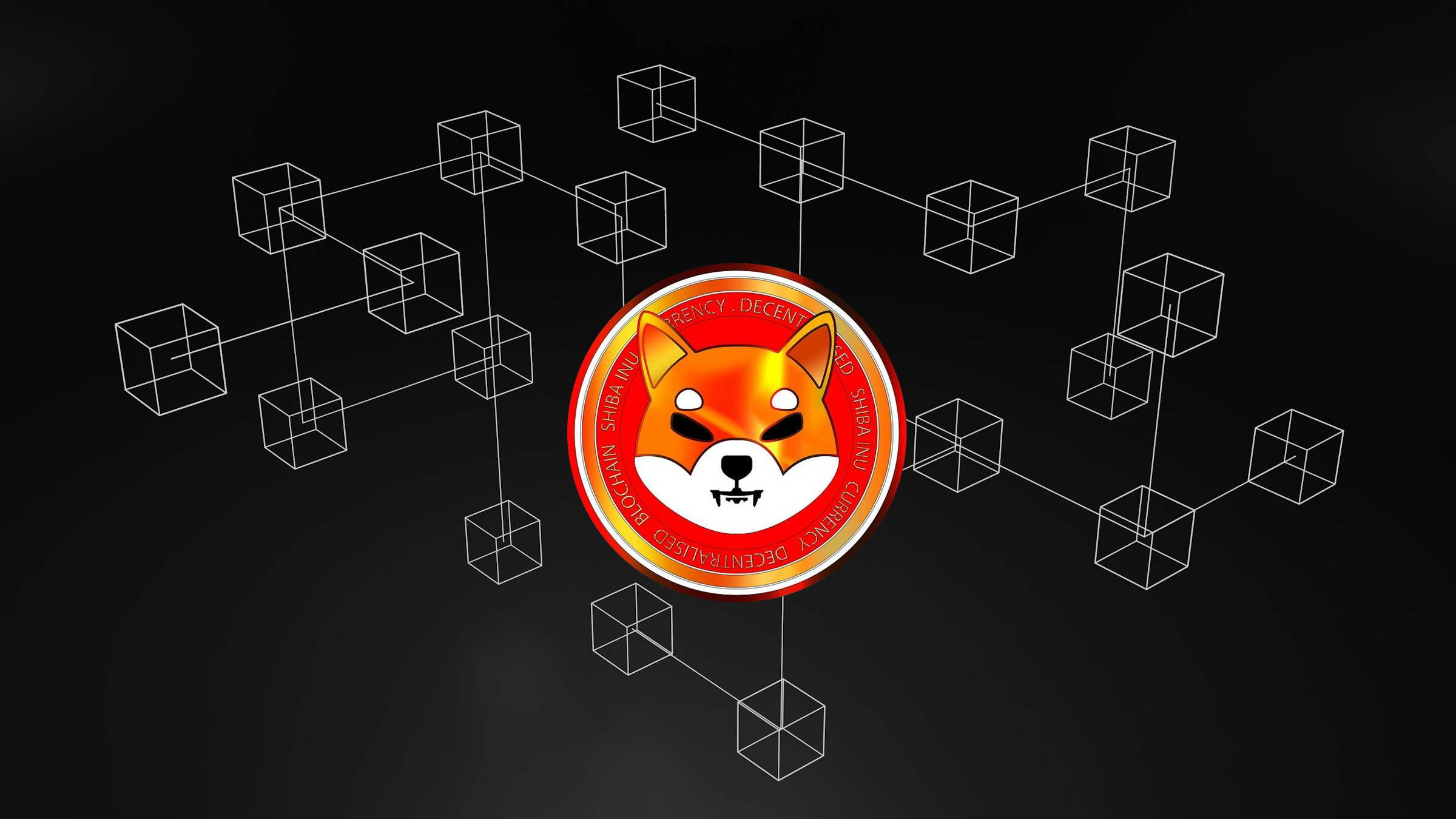
Shiba Inu (SHIB) remains a significant point of interest for traders, a key indicator of its relevance and potential for future price movements. The SHIB burn rate surged to 3,464%, with over 9.6 million tokens removed from circulation in just 24 hours, and this specific event is part of a broader move towards deflationary mechanics, which can, in theory, help stabilize or even raise prices over time. Shiba Inu has seen major whale accumulation, with whale wallets adding trillions of tokens in single transactions.
According to the SHIB news today, Shiba Inu instituted a three-stage DAO election process, marking a critical step towards complete decentralization. The SHIB ecosystem aims to elect an interim president and DAO councils. The project’s leading figure, Shytoshi Kusama, clarified that the goal isn’t to choose a popular candidate but to find the most responsible leader. The election process includes a nomination phase, public debate, and two rounds of voting, with candidates required to complete identity verification and sign confidentiality agreements. The core team can unilaterally block any resolution through veto power.
Token Holders Now Have A Direct Say In The Project’s Future
A DAO, or Decentralized Autonomous Organization, is a way of structuring a community where decision-making is distributed among its members, instead of being controlled by a small team. Rules are encoded in the source code and executed by nodes using a consensus algorithm, therefore eliminating the need for intermediaries. Shiba Inu launched multiple DAOs, allowing holders of the meme coin to vote on future initiatives and have a say in the direction of the project. The governance structure consists of the Charity Council and the Culture & Heritage Council.
No single entity can make unilateral decisions, which is especially important in cryptocurrency, where transparency and trust are of the essence. Kaal Dhairya, a developer for the Shiba Inu ecosystem, emphasized that SHIB was never meant to be controlled by a central entity. By distributing control, the project becomes more resilient and less susceptible to the failures or biases of a single group. The Shibizens are currently engaged in a voting process for their DAO governance – it’s not just for one of their specific DAOs (Shib DAO, Bone DAO, Leash DAO, or Treat DAO), but a broader foundational election.
How Is The Interim President Of Shiba Inu Going To Be Elected?
As mentioned earlier, the interim president will be chosen in a structured, multi-step process with community scrutiny, through debates and votes, while adding security and oversight via Know Your Customer (KYC), NDA (Non-Disclosure Agreement), and ratification requirements. Here’s a quick overview:
- Nomination Round
Any eligible participant can self-nominate by creating a public candidate profile. The core team reserves the right to veto any nomination, though. From the entire pool of nominees, the ten individuals who garner the most support will advance to the next stage of the process.
- Debate And Preliminary Vote
The top 10 candidates enter a live or recorded debate stage, targeted mainly at undecided voters. The Shiba Inu Community (ShibArmy) votes to narrow down the field to three finalists.
- Final Vote
Held roughly one week after the debate, this ballot determines the interim president. The winner is the candidate approved by the largest number of voters, and official ratification by DAO branches will follow once Shibizenship becomes operational.
Whales are expected to have a significant impact on Shiba Inu DAO voting, given that the governance model operates on a token-weighted voting system, meaning one SHIB equals one vote. The fewer tokens someone owns, the less voting power they have. According to Shytoshi Kutama, the best leadership candidates are whales, arguing that large stakes give them a strong personal interest in the ecosystem’s success. Although the DAO model seeks to decentralize control, critics assert that whale dominance undermines this goal.
The Council, Along With The President, Will Manage The Transition To Full Decentralization
Shiba Inu is slowly but surely transitioning from a developer-led model to a community-driven ecosystem, and the newly elected interim president and DAO council will oversee this surrender of authority. The Economic Council, subject to the Shib DAO governance, will concentrate on treasury and revenue strategy, operating independently from the core DAO structure. During the interim period, the Treat DAO will continue to support development and innovation initiatives, such as the WoofSwap infrastructure upgrades to enhance the efficiency and fairness of Shibarium.
The goal is to establish a fully decentralized network state, where decisions are made collectively by SHIB holders and through structured voting mechanisms. The president and the council will execute the vision laid out in the ShibPaper by creating a detailed plan with actionable steps, allocating resources effectively, fostering accountability, and communicating progress consistently. The Hounds Constitution ensures transparency and fairness as the ecosystem transitions towards decentralization. It aligns with the long-term vision established in the ShibPaper, Shiba Inu’s strategic blueprint.
Shytoshi Kutama Said Now It’s Up To Token Holders To Decide Where To Go Next
Ahead of Shiba Inu’s interim elections, Shytoshi Kusama announced that there are no more primary decision-makers and the community is now expected to take on the responsibility of shaping the future. This declaration underscores Shiba Inu’s commitment to decentralization, handing decision-making power to SHINB, BONE, LEASH, and TREAT token holders rather than a single developer. Once the elections conclude, Kusama’s ongoing involvement will be limited to a custodial role, meaning they’ll maintain the technical infrastructure without unilateral decision-making power. Kusama can resolve past criticisms around transparency and strategy by putting every stakeholder on equal footing.
The success of the elections depends on active participation and the quality of governance proposals. Low participation by less privileged Shibizens risks a leadership that speaks for only a small number of token holders, whereas sustained engagement keeps initiatives on track and responsive to real-world changes. A robust DAO can serve as an example for other projects that aim to balance innovation with community empowerment. Strong governance proposals include data, risk analyses, and rollout plans. Needless to say, the Shiba Inu interim presidential vote represents a watershed moment in the project’s journey.