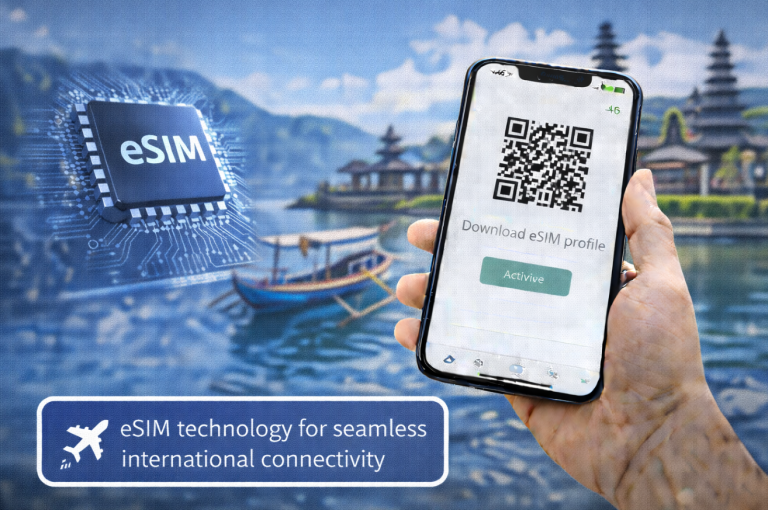
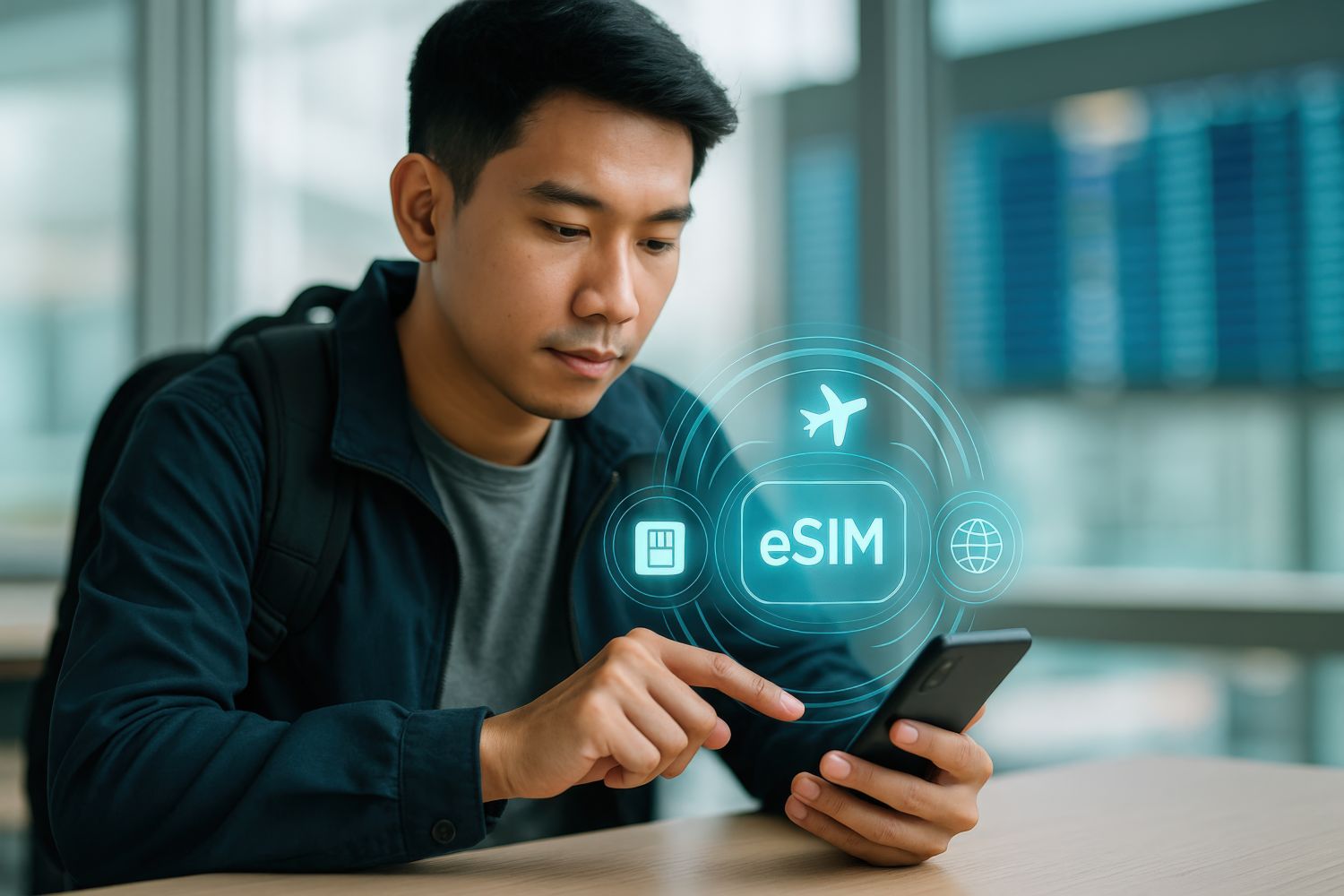
For today’s international traveler, staying connected has become a necessity rather than a luxury. The prepaid eSIM, a digital SIM embedded in your device, offers a powerful and convenient solution. Activating one correctly before and during your trip can mean the difference between instant connectivity upon landing and frustrating hours without internet access.
This guide outlines the critical steps and knowledge required for a seamless experience.
Knowing the Difference Between Installation and Activation
Understanding the distinction between installation and activation is crucial for a smooth start. Many first-time users make the costly mistake of activating their plan too early, which starts the validity countdown while they are still at home. The correct approach is to install the eSIM profile while connected to a reliable home Wi-Fi network before departure and then activate the data plan upon arrival at the destination. This ensures the plan’s validity period covers the entire trip.
If you’re a traveler heading to Southeast Asia like Thailand, a region-specific option like eSIM Thailand can be a practical and often cost-effective choice. By planning this sequence, you can avoid unnecessary complications and connect immediately upon arrival.
Checking Device Compatibility and Network Unlock Status
The foundation of using an eSIM is ensuring your smartphone supports the technology. Most modern smartphones from major manufacturers have eSIM capabilities. For instance, iPhones from the XS, XS Max, and XR onward support eSIM. Before purchasing a plan, it’s advisable to check the device’s settings menu.
Equally critical is confirming the phone is unlocked from its original carrier. A carrier-locked phone will not accept eSIM profiles from other providers. This status can usually be confirmed by contacting the home mobile carrier directly or by attempting to insert a different physical SIM card. Trying to install a travel eSIM on a locked device will result in an error.
Selecting the Right Data Plan Before Departure
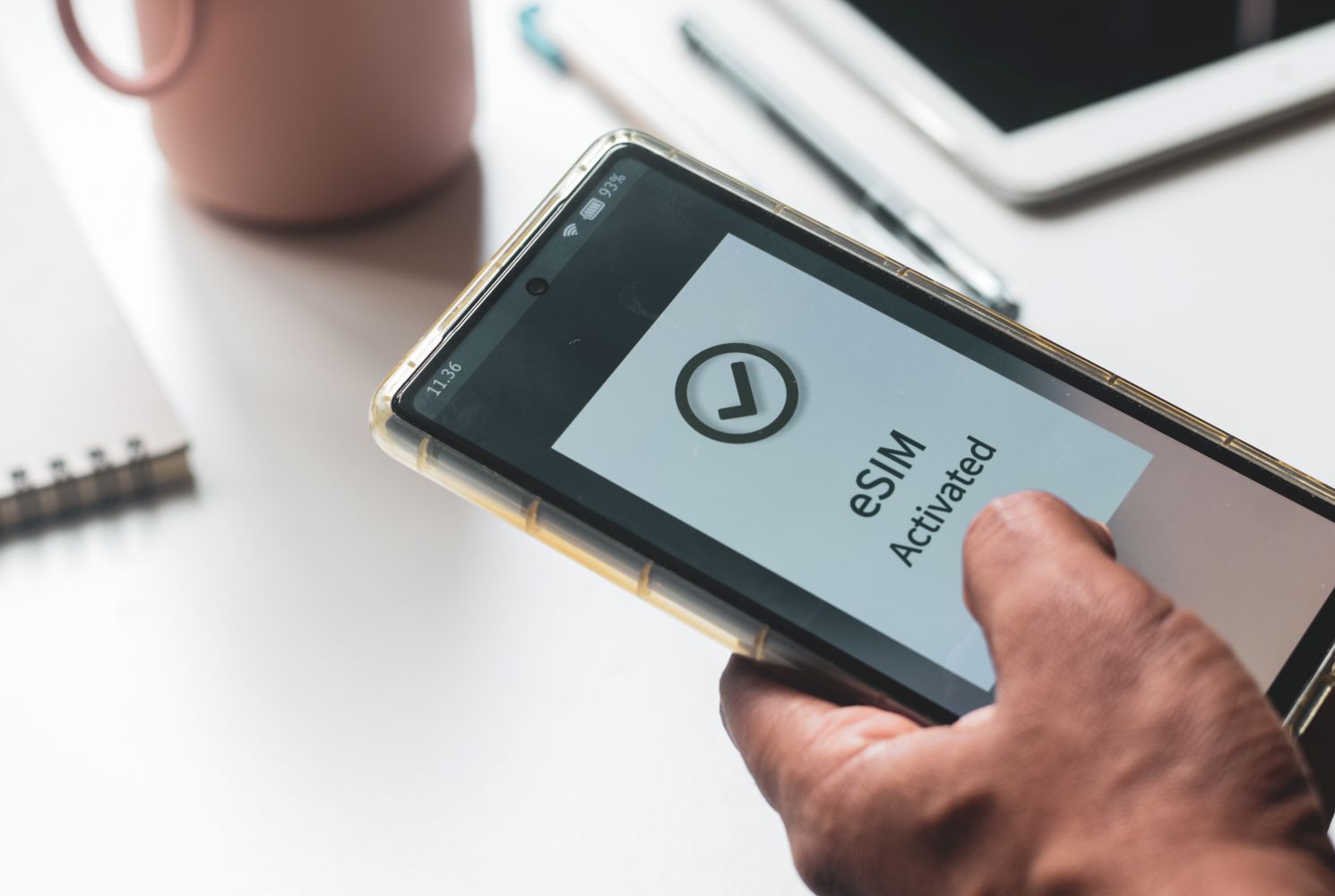
Choosing an appropriate data plan isn’t just about finding the cheapest option. It requires a careful assessment of travel needs. Key factors to consider are the following:
Data Allowance
You should estimate their usage for navigation, communication, social media, and any work-related tasks. For most tourists, a plan offering 1-3GB per week is sufficient for essential tasks. However, those who plan to stream videos, upload large files, or use a mobile hotspot for a laptop may require plans with 10GB or more of data.
Validity Period
Plans are typically sold for a fixed number of days, such as 7, 15, or 30 days. The selected plan should cover the entire stay to avoid the hassle of topping up in a foreign country.
Coverage Area
For single-country trips, a local plan, such as one specifically designed for countries like Thailand, is typically the best value. For multi-country regional travel, such as a tour through Southeast Asia, a regional eSIM that covers multiple nations in one package can provide greater convenience and potentially lower costs than buying a new SIM in each country.
Network Partners and Speed
Reputable eSIM providers partner with major local carriers to offer reliable 4G/LTE and often 5G coverage. Checking which local networks a plan uses can provide insights into expected coverage, especially for travels to remote or rural areas.
Managing Connectivity and Avoiding Common Pitfalls
Even with proper setup, you should be aware of a few ongoing management tasks and potential issues. Some things to consider include:
Conserving Data and Top-Ups
To avoid running out of data, it’s wise to use a Wi-Fi network at hotels and cafes when possible. Many eSIM provider apps enable users to track real-time data usage and purchase add-ons or top-ups seamlessly, as needed. Some plans also support tethering or hotspot functionality, allowing other devices to share the connection; however, this feature should be confirmed before purchase.
Understanding Plan Limitations
Most travel eSIMs are data-only and don’t provide a local phone number for making traditional calls and sending SMS messages. Communication is handled via internet-based apps. A handful of providers offer plans with a local number, which can be helpful for registering for local services or ride-hailing apps.
Troubleshooting Connectivity
If the eSIM doesn’t connect upon arrival, a few checks can resolve most issues. First, verify that the correct line is selected for data and that data roaming is enabled for it. Second, try manually selecting a network in the cellular settings instead of leaving it on “automatic.” Third, ensure the phone’s date and time are set to update automatically based on the current location. Finally, restarting the phone can often resolve minor software glitches.
Key Takeaway
By following these guidelines, such as verifying compatibility, selecting a suitable plan, carefully separating installation from activation, and managing the connection effectively, you can fully leverage the convenience of prepaid eSIM technology. This preparation can transform connectivity from a travel headache into a seamless background utility, allowing for greater focus on the experiences ahead.