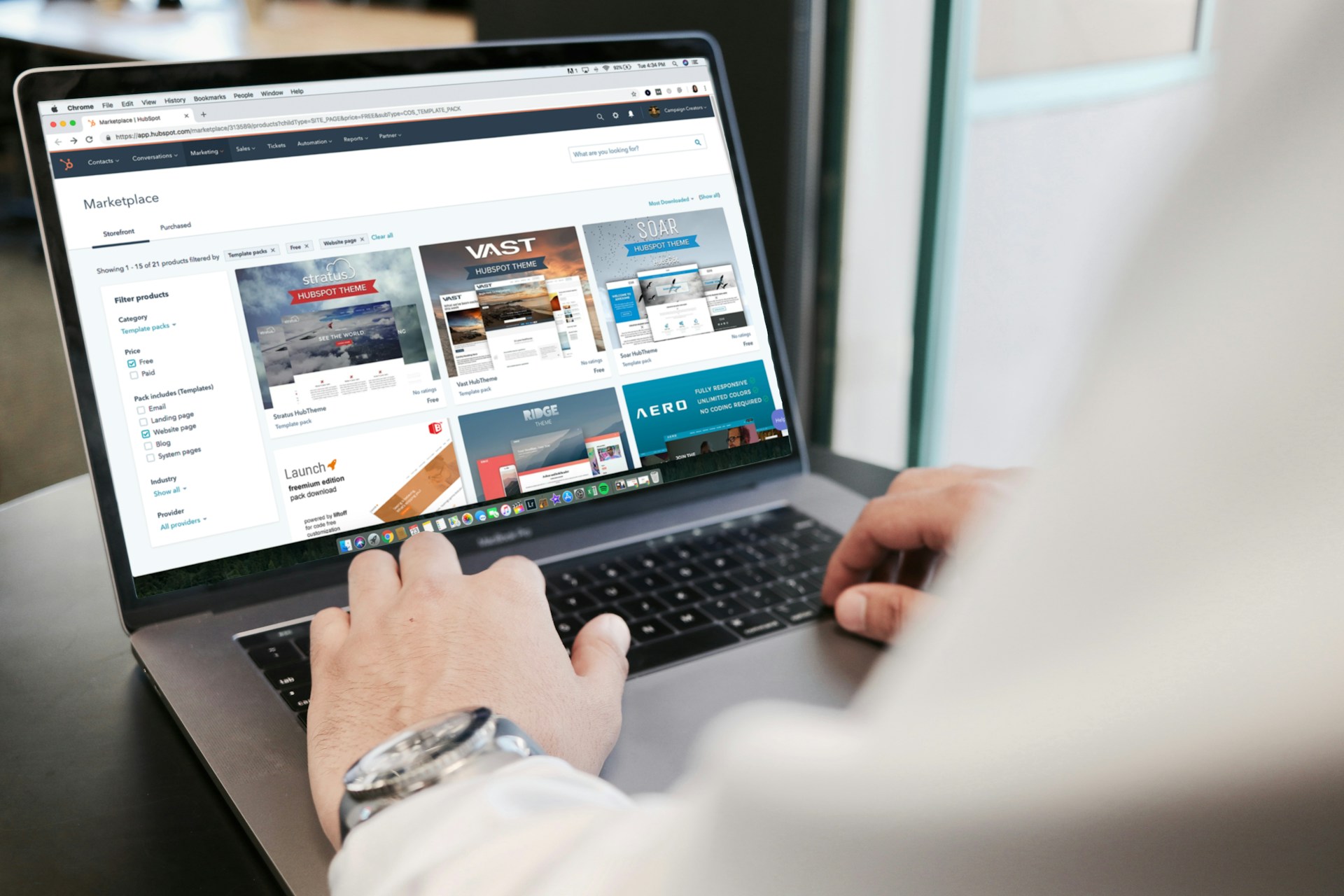
The landscape of web design has undergone a remarkable transformation, with local businesses now striving to achieve the elevated standards typically associated with global brands. This change is propelled by heightened consumer expectations, the surge of mobile technology, and the growing significance of a robust online presence. In this dynamic digital arena, every click and scroll matters as businesses work to captivate their audiences and leave a lasting impression.
User Experience Comes First
Modern web design thrives on a foundation of user-centric thinking, where the experience is crafted with the visitor in mind. Users anticipate pages that load in the blink of an eye, captivating navigation that feels like second nature, and flawless performance that flows seamlessly across a myriad of devices. Whether someone is quickly glancing at opening hours on their smartphone during their commute or immersing themselves in a detailed exploration of services on a sleek desktop, the website must offer a rich and harmonious experience that captivates and satisfies at every turn.
Consistency in Branding
Today’s websites are more than digital placeholders; they’re an extension of a brand. Cohesive color palettes, typography, and visual elements are crucial. Local businesses that invest in unified branding across their websites signal professionalism and build trust with visitors, putting them on par with major players.
Dynamic Functionality, Not Static Pages
Gone are the days of static brochure-style websites. Modern design includes interactive features like online booking, live chat, e-commerce integration, and real-time updates. These functionalities allow local businesses to serve their customers efficiently and compete on a broader scale.
Blending Global Standards with Local Identity
Meeting global expectations doesn’t mean losing local charm. In fact, adding personality and community elements, such as showcasing staff, featuring local events, or using original photography, helps businesses stand out. The goal is to deliver a professional experience without sacrificing authenticity.
Businesses in Western Sydney are a great example. Many are now turning to tailored web design services that balance technical excellence with storytelling that resonates locally. This combination enhances credibility and helps attract both local and broader audiences.
Search Engine Visibility Is Key
Even a beautifully designed website will fall short without strong search engine optimization (SEO). Modern web design integrates SEO best practices from the start, ensuring clean code, keyword relevance, meta descriptions, and mobile-first layouts. These features help the site rank higher in search results and attract more organic traffic.
Accessibility Matters
Inclusive design is no longer optional. Modern websites must be accessible to all users, including those with disabilities. This means using readable fonts, ensuring contrast, enabling keyboard navigation, and supporting screen readers. Complying with accessibility standards not only widens your audience but also reflects positively on your brand values.
Final Thoughts
Modern web design is about more than looks. It’s about performance, accessibility, functionality, and trust. Local businesses that embrace these principles can build websites that are not only visually appealing but also powerful tools for growth. With the right design partner, even the smallest company can make a big impression, locally and beyond.