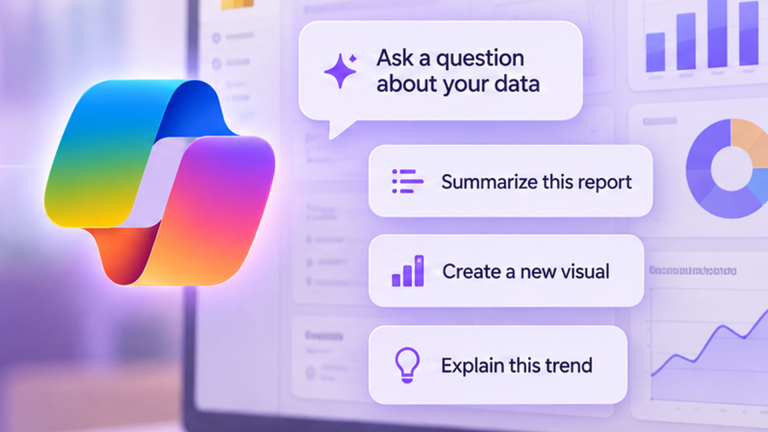
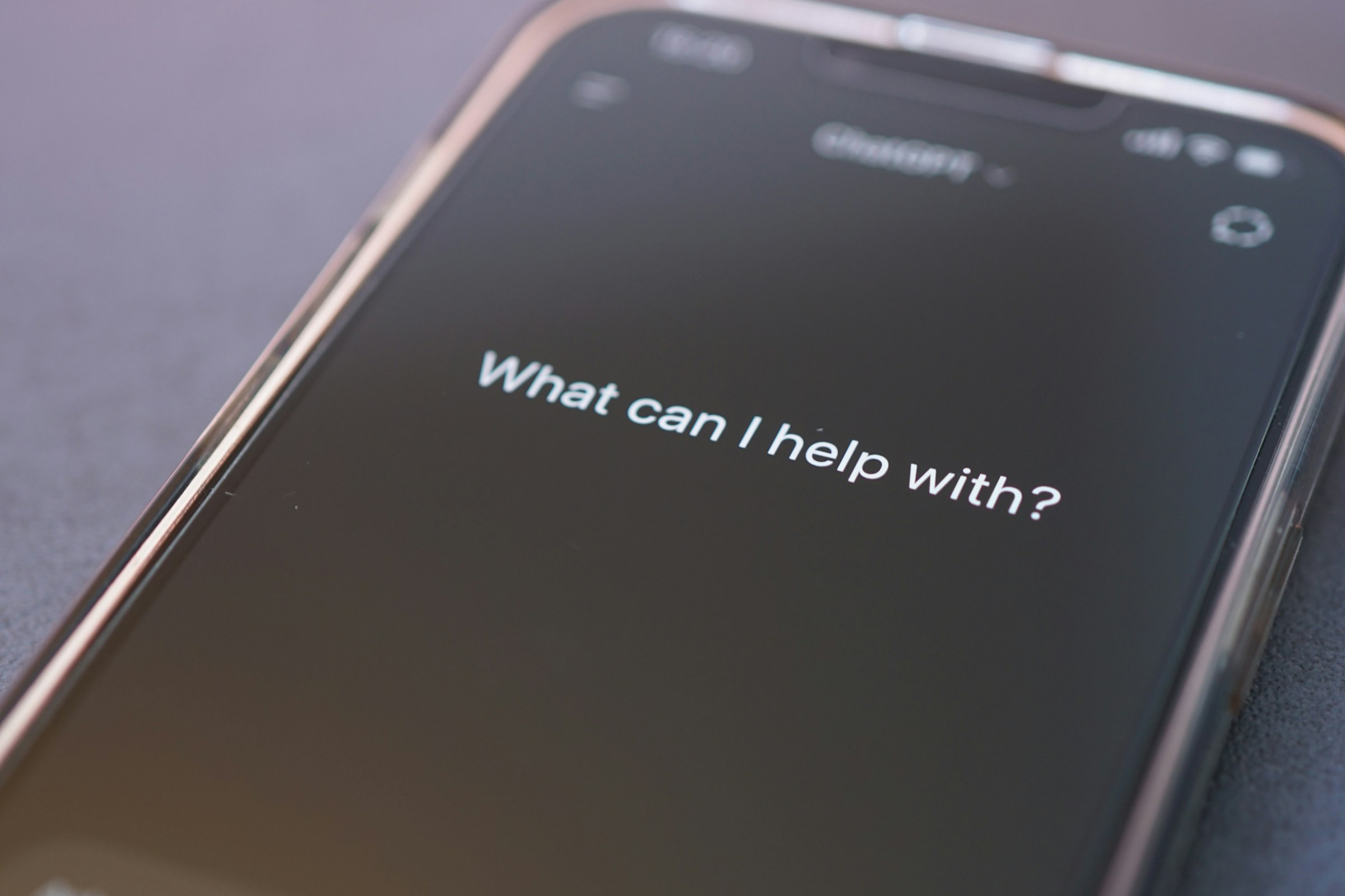
Artificial intelligence has moved far beyond research laboratories and technology companies. It now supports many of the tools people use every day, from navigation apps and customer service platforms to healthcare systems and online learning services. Most users interact with AI without thinking about the technology behind it. They experience it through faster searches, better recommendations, automated translations, and more personalized digital services.
This rapid adoption has created both excitement and concern. AI offers clear benefits, but it also raises important questions about accuracy, privacy, employment, education, and human responsibility. The value of artificial intelligence will depend on how people choose to design, regulate, and use it.
AI Makes Everyday Tasks More Efficient
One of AI’s greatest strengths is its ability to process large amounts of information quickly. Businesses use it to analyze customer behavior, detect unusual transactions, forecast demand, and automate repetitive administrative work. These systems help employees spend less time handling routine tasks and more time making decisions, solving problems, and communicating with customers.
Individuals also benefit from AI-powered tools. Writing assistants improve grammar and structure. Translation platforms help people communicate across languages. Navigation systems analyze traffic conditions and suggest faster routes. Recommendation engines help users find relevant music, films, products, and information.
These applications do not always replace human effort. In many cases, they strengthen it. A professional still needs to review an important report. A doctor still needs to evaluate a patient’s condition. A teacher still needs to understand a student’s progress. AI provides support, but people remain responsible for the final judgment.
Education Must Adapt to AI
Artificial intelligence is changing how students learn and how teachers assess knowledge. Students use AI to explain difficult topics, summarize information, generate practice questions, and receive immediate feedback. This creates new opportunities for personalized education, especially for learners who need additional support outside the classroom.
However, unrestricted use also creates risks. A student who submits automatically generated work without understanding it misses the purpose of education. Schools need clear policies that separate acceptable assistance from academic dishonesty. Tools such as an AI detector might support the review process, but no automated result should serve as the only basis for accusing a student of misconduct.
Education systems should focus on teaching responsible use. Students need to learn how to verify claims, identify unreliable sources, improve weak outputs, and explain their reasoning. These skills will matter more as AI becomes easier to access.
Teachers also need support. Schools should provide training, practical guidelines, and approved tools instead of expecting every teacher to develop an individual policy. A consistent approach will reduce confusion and help students understand what schools expect from them.
Human Oversight Remains Essential
AI systems generate answers based on patterns found in data. They do not understand truth, ethics, or consequences in the same way humans do. An AI system might produce a confident response that contains inaccurate, outdated, or misleading information. This becomes dangerous when people rely on it for medical, legal, financial, or safety-related decisions.
Human review reduces these risks. Users should verify important claims, examine original sources, and question outputs that appear incomplete or unrealistic. Organizations should also test their systems before using them in sensitive areas.
Responsibility cannot be transferred to software. A company remains responsible for an automated decision that affects a customer. A manager remains responsible for a report reviewed and approved under their name. A professional remains responsible for advice delivered to a client or patient.
Developers also have a role. They should build transparent systems, protect user data, reduce bias, and provide clear explanations of what their tools do. Users deserve to know when they are interacting with AI and how their information is processed.
AI Will Change Work, Not Eliminate Human Value
Concerns about job losses are understandable. Automation has already changed roles in customer support, marketing, software development, finance, and administration. Some tasks will require fewer workers, while other jobs will develop around managing, reviewing, and improving AI systems.
The largest change will likely happen within jobs rather than across entire professions. Accountants will use AI to review transactions. Developers will use it to write and test code. Marketers will use it to analyze campaigns and prepare content. Doctors will use it to organize information and support diagnosis.
Workers who learn how to use AI effectively will have an advantage. Technical knowledge helps, but it is not the only valuable skill. Critical thinking, communication, creativity, leadership, and industry experience remain important because AI cannot independently understand every business objective or human need.
Companies should help employees adapt instead of treating automation only as a cost-cutting method. Training employees to work with AI often produces better results than removing people from the process. The strongest systems combine machine efficiency with human judgment.
The Future Depends on Responsible Use
Artificial intelligence will continue to improve and spread into more areas of society. Its impact will not be determined by technology alone. Policies, business decisions, education, and individual behavior will shape the outcome.
People should neither reject AI out of fear nor trust it without question. The practical approach is to understand its strengths, recognize its limits, and use it with clear human oversight. AI works best when it helps people think, create, and make informed decisions rather than replacing responsibility.
The future of AI should focus on partnership. Machines provide speed, scale, and pattern recognition. Humans provide context, ethics, empathy, and accountability. When these strengths work together, artificial intelligence becomes more than an automation tool. It becomes a useful part of human progress.