Electric bikes are a common choice for transportation, exercise and daily tasks. Because many people use these bicycles for regular travel, finding directions is a significant part of the experience. Earlier bicycle computers showed only speed and distance but modern electronic displays provide more functions – these screens combine directions, performance data, safety tools and wireless connections into one interface – this technology helps people make choices during their trips based on current data.
Detailed Route Instructions
Turn-by-turn directions are a primary benefit of modern displays. People do not need to stop to look at a phone or a paper map because the screen shows the path clearly – this design allows the person to keep their eyes on the path, which is helpful in new areas. Travel is more efficient when the rider stays focused on the surroundings.
The systems are responsive when a person takes a different path or misses a turn. Many displays calculate a new route in a few seconds to prevent confusion – this feature makes travel less difficult and helps individuals feel comfortable exploring new neighborhoods and trails.
Live Travel Data
Information about the trip is available on the display at all times. The screen shows the current speed, the amount of energy left in the battery, the predicted distance available and the arrival time – these details are easy to see and help the rider manage their speed and battery use effectively.
Displays also track environmental factors during the ride – Some software calculates how steep hills or wind speeds change the battery life. Riders receive accurate updates so they can reach their destination without the battery becoming empty.
Enhanced Safety Tools
Designers of display technology prioritize safety – High contrast screens are visible in bright sunlight and at night, which means the rider can see the data quickly. Large symbols and simple menus also make the information easy to understand without long distractions.
Connectivity exists between some displays and bicycle lights or sensors. Users receive notifications about phone calls, weather or system errors while their hands stay on the handlebars. Certain displays are also able to show when the bicycle needs a mechanic, which prevents small issues from becoming larger faults.
Mobile Phone Connectivity
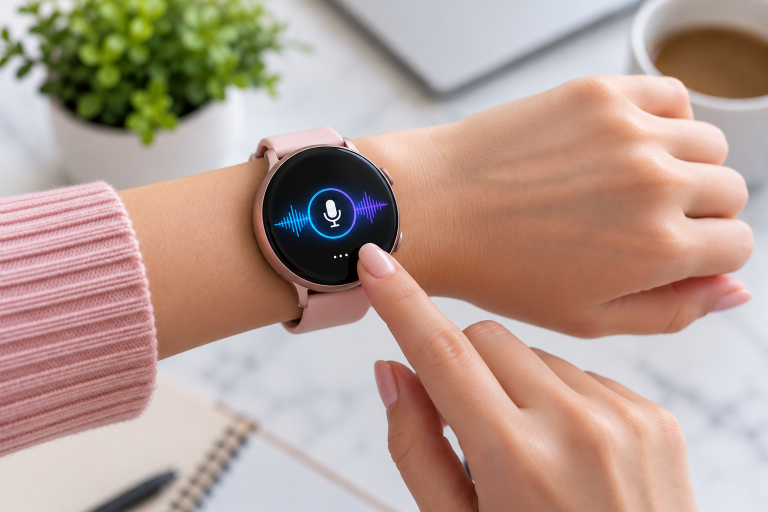
Wireless technology allows displays to connect to mobile phones. A person can choose a route at home and send it to the bicycle screen before they start. The phone stays in a pocket or bag while the display shows the directions and other important data.
Integration with phones also provides access to travel history and fitness data after the ride is finished. Many applications save the path automatically – this allows people to look at their previous trips and compare their performance without writing down the details manually.
Commuting with Navigation
People who travel to work every day benefit from these systems because traffic changes frequently. Displays are able to suggest different paths when roads are busy or under repair. Choosing the routes helps riders save time and avoid delays during peak hours.
Individuals who look at electric bikes Ottawa often value tools that make travel through city streets and parks easier. Consistent guidance helps people feel more certain about using a bicycle for their commute because they can watch the road instead of looking for signs.
Assistance for Long Trips
Traveling long distances for fun is different from a daily commute. Reliable directions are very important when a person is in a new area. Displays help riders stay on the correct path while they watch the battery levels, which makes long trips easier to organize.
Advanced screens often include maps that work without an internet connection. If there is no cellular signal in a rural area or on a remote trail, the stored maps still show the way – this reliability gives individuals the confidence to travel away from the city.
Upcoming Technology
Technology for screens is improving at the same time as electric bicycle parts. Future displays are likely to offer routes based on the personal choices of the rider, weather and the condition of the road surface. Software is becoming more capable of learning from past trips to suggest the most appropriate paths.
Riders are likely to experience more convenience and safety as these tools become more sophisticated. The mix of navigation, live data and connectivity is changing how people use electric bicycles – these displays are now helpful tools that make every trip easier to plan and complete.