
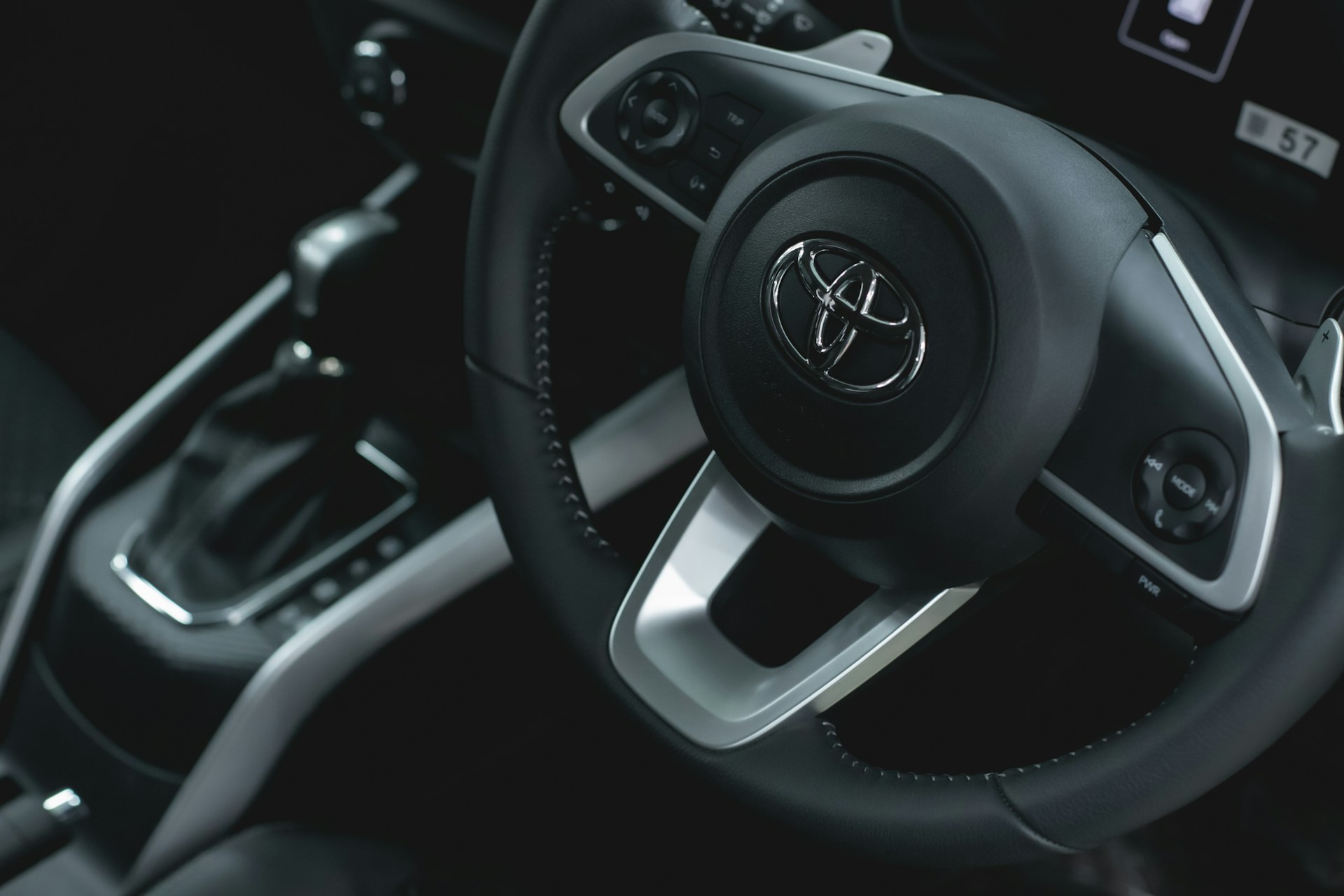
Modern vehicles do far more than transport people from one place to another. Beneath the bodywork lies an impressive network of sensors, cameras, software, and intelligent safety systems that are constantly working behind the scenes to help prevent accidents and make every drive more secure.
Many of these technologies operate so seamlessly that drivers barely notice them until they’re needed. Together, they represent one of the biggest advances in automotive safety in decades, giving motorists greater confidence whether they’re navigating busy city streets, motorways, or challenging weather conditions.
Advanced Driver Assistance Systems Act as a Second Pair of Eyes
One of the most significant developments in vehicle safety is the growth of Advanced Driver Assistance Systems (ADAS). These features use cameras, radar, and sensors to monitor the road continuously.
Systems such as forward collision warning, automatic emergency braking, lane departure alerts, and blind spot monitoring help drivers recognize potential hazards before they become serious incidents. Rather than replacing the driver, these technologies provide valuable support during everyday journeys.
Adaptive Cruise Control Makes Long Drives Less Stressful
Traditional cruise control simply maintained a fixed speed. Modern adaptive systems go much further by automatically adjusting speed to maintain a safe distance from the vehicle ahead.
This reduces the need for constant braking and accelerating in heavy traffic while helping to minimize driver fatigue on longer journeys.
360-Degree Camera Systems Improve Visibility
Parking and maneuvering larger vehicles has become considerably easier thanks to surround-view camera technology.
By combining images from multiple cameras positioned around the vehicle, drivers receive a bird’s-eye view of their surroundings, making it easier to avoid obstacles, navigate tight spaces, and reverse safely.
Intelligent Lighting Improves Night-Time Driving
Modern lighting systems are becoming increasingly sophisticated. Adaptive LED headlights can automatically adjust their beam direction around corners, while automatic high beams detect oncoming traffic and switch settings accordingly.
Improved visibility at night allows drivers to identify hazards earlier without dazzling other road users.
Vehicle Sensors Continuously Monitor Critical Systems
Many vehicles now include onboard diagnostic systems that constantly monitor tire pressure, engine performance, braking systems, and other essential components.
Instead of waiting for mechanical problems to develop into costly repairs or safety concerns, drivers receive early warnings that allow maintenance to be carried out before issues become more serious.
Connected Technology Keeps Vehicles Up to Date
Software has become just as important as mechanical engineering in today’s vehicles. Many manufacturers now offer over-the-air software updates that improve system performance, introduce new features, or enhance vehicle security without requiring a visit to a dealership.
This allows vehicles to continue evolving long after they’ve left the showroom. Manufacturers are also expanding connected services that support fleet management, diagnostics, and vehicle monitoring.
Smart Commercial Vehicles Benefit Businesses Too
Safety technology isn’t limited to passenger vehicles. Commercial trucks increasingly feature many of the same intelligent systems, helping businesses protect drivers while improving operational efficiency. Companies searching for Ram commercial trucks Palmdale can explore work-ready solutions through VanNuys Chrysler, where configurable commercial vehicles can be tailored to meet a wide range of business requirements. Work truck specialists also provide custom upfit options for industries ranging from construction and utilities to delivery and maintenance services.
Artificial Intelligence Is Shaping the Future
Artificial intelligence is beginning to play an even larger role in vehicle safety. Modern systems can analyze traffic conditions, recognize pedestrians and cyclists, identify road signs, and assist drivers with split-second decisions.
As these technologies continue to evolve, vehicles will become even better at anticipating hazards and supporting drivers without reducing their control behind the wheel.
Summing Up
The safest features in today’s vehicles are often the ones drivers rarely think about. Hidden beneath the surface, advanced cameras, sensors, software, and intelligent driver assistance systems are constantly working together to reduce risk and improve confidence on the road.
As automotive technology continues to advance, these innovations are helping make every journey safer, whether you’re commuting to work, taking a family road trip, or managing a fleet of commercial vehicles.