
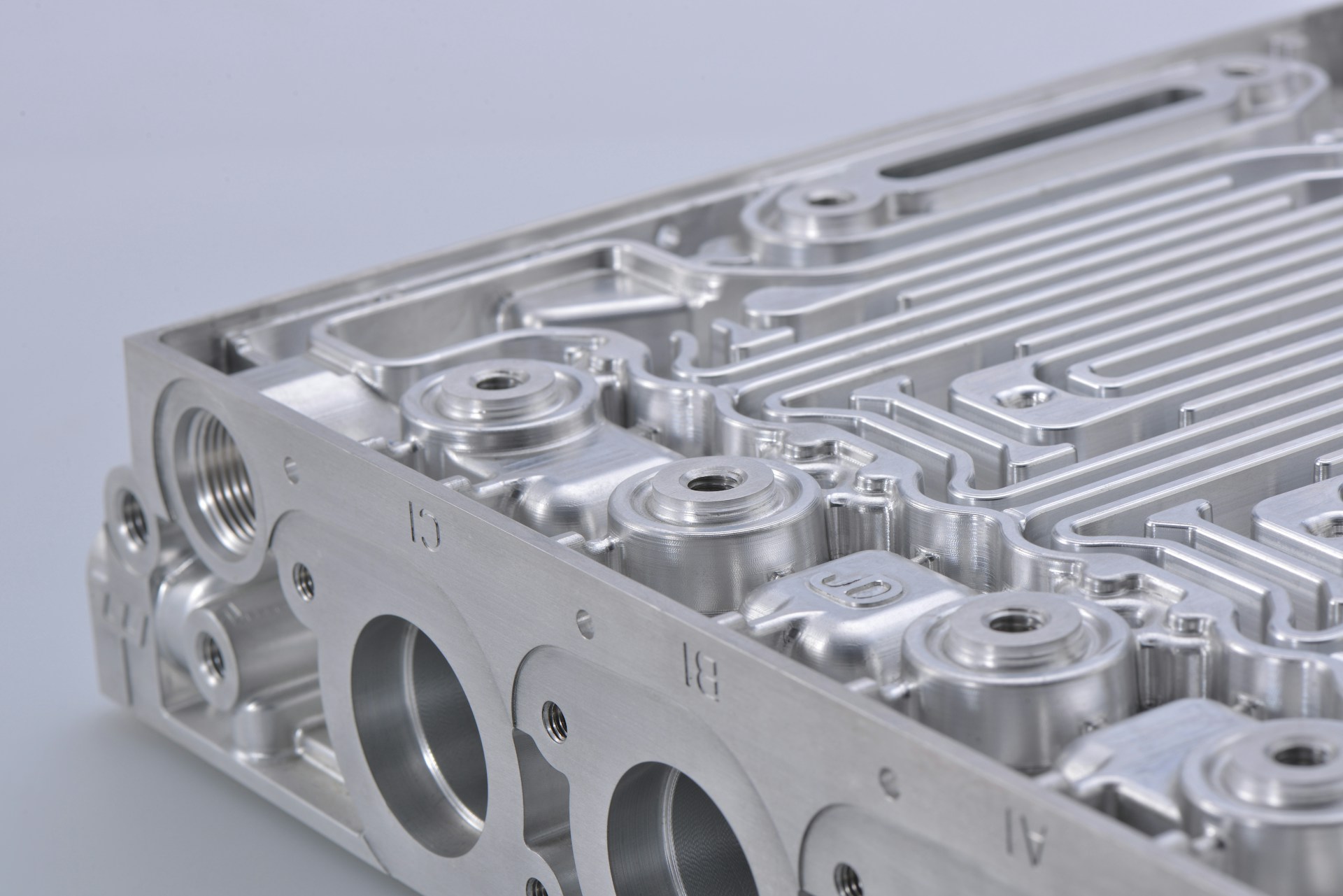
CNC drilling is one of the most common machining operations in production environments, and the right drill can make a noticeable difference in cycle time, hole quality, tool life, and overall efficiency. Shops running hundreds or thousands of parts need cutting tools that can produce consistent holes without requiring frequent tool changes or adjustments.
There is no single drill that is best for every CNC application. The ideal option depends on the material, hole diameter, hole depth, machine capability, coolant delivery, and required tolerances. A drill designed for aluminum may use a different geometry or coating than one intended for stainless steel, cast iron, or hardened materials.
Choosing reliable milling machine cutters and drilling tools starts with understanding the entire machining process. Tool rigidity, flute design, cutting-edge geometry, coating, speeds and feeds, and chip evacuation all influence how effectively a drill performs. When these factors are matched correctly to the application, shops may be able to reduce cycle times while maintaining consistent part quality.
Production efficiency should not be measured by cutting speed alone. A fast drill that wears unpredictably or produces inconsistent hole dimensions can create additional downtime. Reliable performance across an entire production run is often more valuable than achieving the highest possible cutting speed for a short period.
What Features Matter Most in a Digital Caliper
Although drilling performance begins with proper cutting tools, measurement is essential for determining whether the process is actually producing acceptable parts. Digital calipers can help machinists quickly inspect dimensions and identify changes that may indicate tool wear or setup problems.
Resolution and measuring range are two basic factors to consider when selecting a digital caliper. The instrument should have enough range for the parts being measured while providing appropriate resolution for the shop’s inspection requirements.
Repeatability is equally important. A measuring tool should provide consistent readings when the same feature is checked multiple times using proper technique. If readings vary significantly, operators may have difficulty determining whether the machining process or the measuring technique is responsible.
Digital displays can make readings easier to interpret compared with traditional scale-style tools, particularly during repetitive inspections. Many operators also appreciate the ability to switch between measurement units when working with different drawings or specifications.
However, the accuracy of any measuring tool depends partly on how it is used. Measurement surfaces should be clean, and chips, coolant, or debris should be removed from both the tool and workpiece before taking a reading. Excessive measuring pressure can also influence results.
Digital calipers can be useful for checking overall lengths, outside dimensions, inside dimensions, and certain depth measurements. They provide a practical option for routine shop-floor inspection, although tighter tolerances may require more specialized measuring equipment.
Inspection becomes particularly important when optimizing drilling operations. As a cutting edge begins to wear, hole dimensions or related features may gradually change. Catching these changes early allows operators to replace a tool or adjust the process before a larger quantity of parts falls outside specification.
Machinists should also consider whether the drilling operation will be followed by threading. Producing the correct initial hole size is important because the next tool depends on having enough material remaining to create the required thread profile.
A thread mill can be used for producing threaded features after the initial hole has been created. Thread milling can provide flexibility in CNC applications because the tool follows a programmed path to generate the thread. The correct tool and programming strategy depend on thread size, pitch, material, and machine capability.
Combining accurate drilling with reliable measurement helps create a more controlled process. Instead of discovering dimensional problems at final inspection, operators can check important features throughout production and make adjustments when necessary.
Tool Life and Accuracy in High-Volume Machining
High-volume machining places greater importance on predictable tool life. A cutting tool that performs well for a few parts but fails unexpectedly can interrupt production, damage workpieces, and increase machine downtime.
Tool life is influenced by several factors, including cutting speed, feed rate, material hardness, coolant, chip evacuation, and tool geometry. Increasing speed may shorten cycle time, but excessive heat or cutting forces can cause the drill to wear more rapidly. The goal is to find a stable combination that delivers acceptable productivity without sacrificing reliability.
Chip evacuation is especially important in drilling operations. As the drill moves deeper into the material, chips must be removed efficiently from the hole. Poor evacuation can increase heat and cutting pressure while potentially damaging both the drill and the workpiece.
Hole depth should therefore influence drill selection and programming. Short, shallow holes may allow straightforward drilling strategies, while deeper holes can require specialized drills, coolant delivery, or pecking cycles to manage chips effectively.
Tool rigidity also affects accuracy. Excessive drill length can increase the possibility of deflection, particularly when the tool first contacts the workpiece. Using the shortest practical drill for the required depth can help improve stability.
Workholding must be equally stable. If the part moves during drilling, hole position and alignment may change even when the cutting tool itself is performing correctly. Secure fixtures, clean locating surfaces, and consistent loading procedures contribute to repeatable results.
Machine condition also matters. Spindle runout, worn holders, damaged cutting tools, or improper tool installation can all affect hole quality. A high-quality drill cannot completely compensate for problems elsewhere in the setup.
Production shops can improve consistency by monitoring tool life instead of waiting for visible failure. Operators may track how many holes or parts are produced before a drill begins showing noticeable wear. This information can help establish a planned replacement interval.
Tool inspection should include signs such as chipping, uneven wear, changes in cutting sound, increased spindle load, poor chip formation, or declining hole quality. These changes can indicate that the tool is approaching the end of its useful service life.
Accurate inspection equipment is essential for confirming that the process remains stable. A broader selection of cnc measuring equipment can help shops verify dimensions, check machine setups, and monitor finished parts throughout production.
Measurement frequency may depend on production volume, tolerance requirements, and process stability. Critical dimensions may need to be checked more frequently than noncritical features. Shops can establish inspection routines that provide enough information to catch changes without unnecessarily slowing production.
Tool organization can also improve efficiency. Keeping replacement drills, inserts, measuring tools, and frequently used accessories close to the machine reduces the time required when a tool needs to be changed or a dimension needs to be checked.
Standardizing common drill sizes and tooling systems can provide additional benefits. Operators become familiar with established cutting parameters, replacement tools are easier to inventory, and programming can become more predictable across similar jobs.
Ultimately, production efficiency comes from balancing speed, tool life, measurement, and consistency. Removing material quickly is useful only when the finished components continue meeting the required specifications.
Conclusion
The best CNC drills for increasing production efficiency are those that match the material, hole requirements, machine capabilities, and production goals of the shop. Tool geometry, rigidity, coating, chip evacuation, coolant delivery, and appropriate cutting parameters all contribute to reliable drilling performance.
High-volume machining also requires careful attention to tool life and dimensional inspection. Monitoring wear, checking important features regularly, and replacing tools before they fail can help reduce scrap and unexpected downtime.
By combining dependable drilling tools with stable workholding and accurate measuring equipment, machinists can create a more predictable production process. The most effective setup is not simply the one that drills the fastest, but the one that maintains consistent hole quality and accuracy throughout the entire production run.