
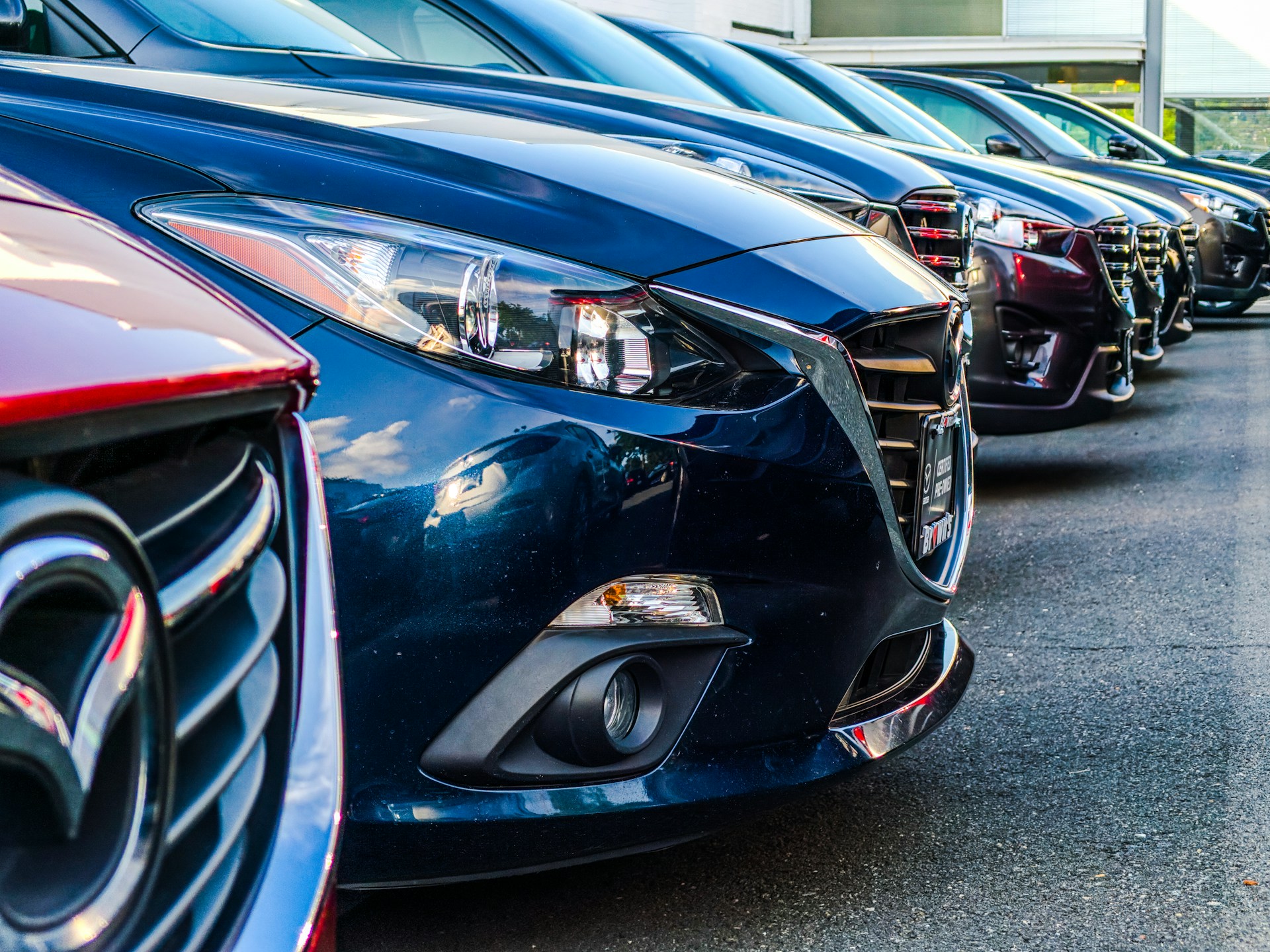
Choosing a vehicle now involves more than comparing size, features, and price, because the engine can influence every day running costs, refuelling or charging routines, and long-term practicality. For buyers researching a new car in Singapore, petrol, hybrid, and fully electric models each suit different driving patterns, budgets, and access to charging.
The decision should therefore start with how far you drive, where the car is parked, what you can spend, and how easily you can refuel or recharge. Volkswagen Singapore’scurrent vehicle range gives buyers models to compare as they weigh these practical factors before deciding which engine best fits their needs.
Quick Summary
- When choosing a new car Singapore dealers offer, match the engine to your regular journeys and access to charging. A petrol car offers familiar refuelling, a hybrid car can reduce reliance on petrol without always requiring external charging, and an electric car is most practical when regular charging fits your routine.
- Compare the full cost of each option, including the purchase price, COE, registration taxes, road tax, insurance, servicing, and expected fuel or electricity costs. Check current VES bands and applicable incentives before making a decision.
- Look beyond the engine when narrowing your shortlist. Compare passenger and cargo space, range or fuel economy, features, everyday usability, and current specifications, then test-drive your preferred models before committing.
What You Need Before Choosing a Petrol, Hybrid, or Electric Car
Before narrowing down the options, gather a few details about your expected use and ownership priorities. These inputs make it easier to judge whether a petrol car, hybrid car, or electric car is the most practical fit.
- Typical daily and weekly driving distance
- Usual overnight parking location
- Access to home, workplace, or public charging
- Upfront purchase budget and expected monthly costs
- Passenger and cargo requirements
- Frequency of longer journeys
- Expected length of ownership
Having these details ready creates a consistent basis for comparing different engines and vehicle models.
| Engine | May suit buyers who prioritise | Refuelling or charging | Main consideration |
| Petrol | Familiar ownership and quick refuelling | Petrol station | Fuel use and emissions-related costs |
| Hybrid | Reduced engine reliance without depending fully on charging | Fuel, with charging required only for plug-in hybrids | Hybrid type and real-world efficiency |
| Electric | Fully electric driving with practical charging access | Regular EV charging | Charging routine, range, and ownership costs |
How to Choose the Right Engine for a New Car in Singapore
Step 1: Map Your Typical Driving Pattern
Goal: Build a realistic picture of how the vehicle will be used before comparing technologies.
Do this:
- Record your usual commute distance and how often you drive each week.
- Separate shorter urban journeys from longer expressway or weekend trips.
- Consider how frequently you carry passengers, luggage, or other bulky items.
- Note whether you often make unplanned journeys that require immediate vehicle availability.
These details help clarify which characteristics matter most when assessing a petrol car, hybrid car, or electric car.
Result: You should have a simple driving profile that can be applied consistently to every model on your shortlist.
Step 2: Check Whether Regular Charging Fits Your Routine
Goal: Determine whether charging can fit your normal parking routine without adding unnecessary inconvenience.
For an electric car, access to a charger where the vehicle spends long periods parked can matter as much as driving range. As of March 2026, Singapore had around 30,500 charging points, and the government aims “to deploy 60,000 EV charging points across Singapore by 2030, in tandem with EV adoption progress.”
Do this:
- Check whether chargers are available at your usual home carpark.
- Review workplace and frequently used public charging locations.
- Consider how long the car is normally parked and whether that suits regular charging.
Volkswagen Singapore’selectric vehicle range can help you compare model specifications once you know what charging arrangement is practical.
Result: You should be able to judge whether regular charging fits naturally into your routine before narrowing your shortlist.
Step 3: Compare the Full Cost of Ownership
Goal: Understand how each option affects both upfront and ongoing expenses.
For a new car in Singapore, the purchase price is only part of the financial picture. Compare Certificate of Entitlement costs, registration taxes, road tax, insurance, servicing, and spending on petrol or electricity before deciding which option fits your budget.
Do this:
- Compare like-for-like models using current on-road prices.
- Check each model’s Vehicular Emissions Scheme band.
- Estimate recurring fuel or charging costs based on your expected mileage.
For a fully electric car registered in 2026, the Electric Vehicle Early Adoption Incentive can offset up to 45% of the Additional Registration Fee, capped at S$7,500. The incentive is scheduled to cease after 31 December 2026, so registration timing matters.
Volkswagen Singapore’slatest vehicle price list can help buyers compare current model pricing and relevant cost information.
Result: You should have a clearer estimate of what each shortlisted vehicle may cost to buy and operate.
Step 4: Compare Efficiency, Emissions, and Everyday Convenience
Goal: Assess how each option may affect energy use, environmental impact, and day-to-day convenience.
- Petrol: A petrol car can be refuelled quickly and does not depend on charging access, but fuel consumption remains an important running-cost factor.
- Hybrid: A hybrid car combines an engine with electric assistance. Check whether it is mild, full, or plug-in, as the charging requirements differ.
- Electric: An electric car produces no tailpipe emissions. Current government information states that “driving an electric car more than halves our carbon footprint, compared to driving a similar car powered by an internal combustion engine.”
Do this: Compare official efficiency figures with your expected journeys and the practical time required to refuel or recharge.
Result: You should have a clearer view of which trade-offs best match your priorities for efficiency, environmental impact, and convenience.
Step 5: Make Sure the Vehicle Fits Your Lifestyle
Goal: Check whether the shortlisted vehicle works for your everyday needs beyond its engine.
Do this:
- Compare passenger space, boot capacity, and vehicle dimensions.
- Consider how easily the car fits your usual parking spaces and routes.
- Review safety, comfort, connectivity, and driver-assistance features that matter to you.
- Check stated range or fuel economy against the longer journeys you make regularly.
Result: You should be able to remove options that may suit your preferred engine but fall short on practicality, space, or everyday usability.
Step 6: Test-Drive Your Shortlist and Verify the Details
Goal: Confirm that the shortlisted vehicle feels suitable on the road and that the figures used in your decision are still current.
Do this:
- Book test drives for your leading options and, where possible, drive them on similar routes.
- Compare visibility, ride comfort, braking feel, acceleration, cabin noise, and ease of using key controls.
- Recheck the latest model specifications, on-road price, Vehicular Emissions Scheme band, and any applicable incentives before placing an order.
For buyers considering a new car in Singapore, registration timing can affect some government incentives, so current official information matters at the point of purchase.
Result: You should be able to make the final comparison using real driving experience and up-to-date ownership information rather than relying only on brochure figures.
Mistakes to Avoid When Choosing a New Car
Even after narrowing the shortlist, a few common assumptions can lead to a less suitable choice.
- Focusing only on advertised range: For an electric car, consider charging access, regular journey length, and how often longer trips occur.
- Treating every hybrid the same: A hybrid car may be mild, full, or plug-in, and each uses electric power differently.
- Comparing purchase price alone: Factor in taxes, insurance, servicing, fuel or electricity, and other recurring costs.
- Using outdated incentive information: Recheck current government schemes and registration requirements before committing to a vehicle.
A balanced comparison should reflect both immediate affordability and how well the vehicle fits your expected ownership pattern.
Frequently Asked Questions
Which option works best for everyday use?
There is no universal answer. A petrol car, hybrid car, or electric car can suit different driving patterns, budgets, and ownership priorities.
Do all hybrids need external charging?
No. Mild and full hybrids do not need to be plugged in, while plug-in hybrids can use an external charger when available.
What costs should I compare before buying?
For a new car in Singapore, compare the purchase price, COE, registration taxes, road tax, insurance, servicing, and expected fuel or charging costs.
Can petrol-only models be newly registered from 2030?
No. Current policy requires all new car registrations from 2030 to be cleaner-energy models, including electric and hybrid vehicles.
Can emissions affect the amount I pay?
Yes. The Vehicular Emissions Scheme can result in a rebate, neutral band, or surcharge depending on a model’s emissions performance.
Is a test drive still important?
Yes. A test drive helps you compare acceleration, braking response, visibility, cabin comfort, controls, and overall ease of driving before committing.
Choose the Car That Best Fits the Way You Drive
Choosing between petrol, hybrid, and electric comes down to how well each option matches your driving habits, budget, charging access, and day-to-day priorities. For anyone considering a new car in Singapore, comparing these factors alongside real-world test drives can make the final decision more practical and informed.
When you are ready to narrow your shortlist,explore current vehicle options from Volkswagen Singapore and find a model that suits the way you drive.
References and Source Links
- https://www.mot.gov.sg/news-resources/newsroom/deployment-of-ev-charging-infrastructure-in-new-towns/
- https://onemotoring.lta.gov.sg/content/onemotoring/home/buying/upfront-vehicle-costs/tax-structure.html
- https://www.mot.gov.sg/what-we-do/green-transport/electric-vehicles/
- https://www.lta.gov.sg/content/ltagov/en/industry_innovations/technologies/electric_vehicles/transitioning_to_evs.html
- https://www.lta.gov.sg/content/ltagov/en/newsroom/2025/9/news-releases/extension_of_ves_and_eeai_to_support_vehicle_electrification.html
- https://www.volkswagen.com.sg/
- https://www.volkswagen.com.sg/models/electric-vehicles
- https://www.volkswagen.com.sg/price-list
- https://www.volkswagen.com.sg/models/all-models